Month: December 2013

UN, EU Subsidize French Crimes in Africa

Some two weeks ago, the Paris government started whipping up sensationalist headlines that the CAR was “on the verge of genocide”.

French Foreign Minister Laurent Fabius told French media: “It is total disorder… we have to act quickly.”

Paris did not provide any evidence or victims to back up its blood-curdling claims of imminent genocide.

Whose sarin?

Barack Obama did not tell the whole story this autumn when he tried to make the case that Bashar al-Assad was responsible for the chemical weapons attack near Damascus on 21 August. In some instances, he omitted important intelligence, and in others he presented assumptions as facts. Most significant, he failed to acknowledge something known to the US intelligence community: that the Syrian army is not the only party in the country’s civil war with access to sarin, the nerve agent that a UN study concluded – without assessing responsibility – had been used in the rocket attack.

Mandela – appropriation of an icon

As the presidents, prime ministers, princes and royals prepare for Mandela’s great funeral, consider just how suitable most of them are to be ‘mourning’ such a man.

How easily, too, the patronage and words of such figures displaces any true debate on Mandela’s politics or associations to those like Ronnie Kasrils, Joe Slovo and other such ANC subversives.

Dissenting views on Nelson Mandela

Jean Bertrand Aristide once said that “it is better to be wrong with the people than right without them”. Post-Apartheid, it seems to me that Mandela made the worst possible choice – to be wrong without the people.

Mandela: A Man Of Controversy – ANC Leader Praises PLO, Libya, Cuba

At a town hall meeting in Harlem televised nationally, the deputy president of the African National Congress praised Palestine Liberation Organization chairman Yasser Arafat, Libyan leader Moammar Gadhafi and Cuban leader Fidel Castro. He called them “comrades in arms” in black South Africa’s struggle against the white minority government.

A dissenting opinion on Nelson Mandela

It is an indication of what Mandela was up against that the man who fought so hard and long against a brutal apartheid regime was so completely defeated when he took power in South Africa. That was because he was no longer struggling against a rogue regime but against the existing order, a global corporate system of power that he had no hope of challenging alone.

Apartheid didnt Die

In memory of Nelson Mandela and the continuing struggle of the people of South Africa…

A documentary by John Pilger

John Pilger was banned from South Africa for his reporting during the apartheid era. On his return thirty years later with Alan Lowery, he describes the extraordinary generosity of a liberated people, but asks who are the true beneficiaries of a democracy – the black majority or the white minority?

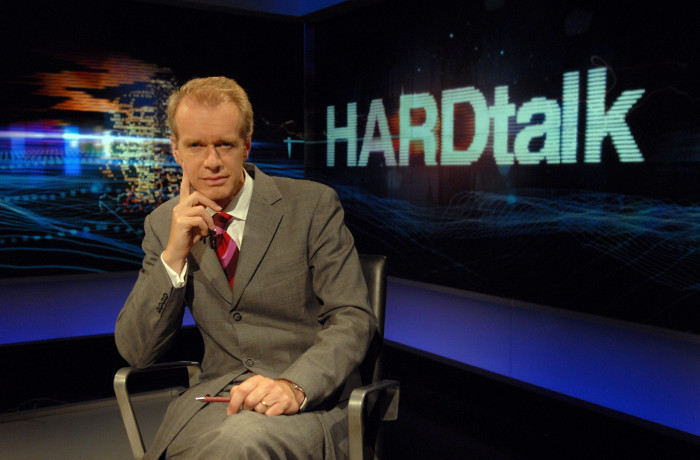
BBC Hard Talk: SOFT on Power, HARD on Real Journalism, Truth Telling and Glenn Greenwald

The BBC’s shoddy performance was painfully demonstrated again last week on a “Hard Talk” exchange between Glenn Greenwald and BBC journalist Stephen Sackur. The depressing conclusion taken from this laughable interaction is that the BBC is only interested in personally tarnishing the characters of whistleblowers and truth tellers who have conducted brave and substantive journalistic endeavours (often at great personal risk) yet managing to ignore the damning evidence they brought forth exposing establishment duplicity.

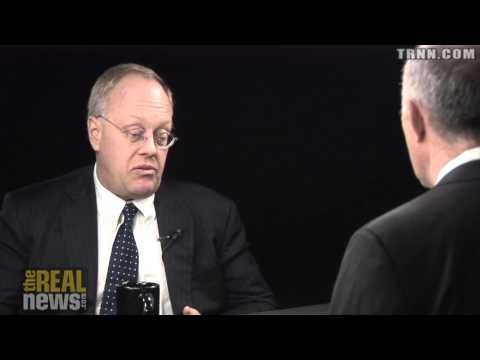
Attorney Stanley Cohen talks over the “PayPal 14″ case

The “Paypal 14″ are back in court. They are accused of participating in DDoS attacks on Paypal when Paypal – in conjunction with Visa and Mastercard – cut off financial services to Wikileaks.

The eventual outcome of the trial will define not just how we see DDoS but the larger question of the right to protest online.

GMO, Additives, Contaminants and Pesticides. European “Food Safety” on Behalf of the Food and Drink Conglomerates

“We were shocked by our findings. Even without checking for undeclared interests, the number of conflicts of interest in this agency is very worrying. Experts with conflicts of interest dominate all panels but one. We found that the bulk of conflicts are from research funding and private consultancy contracts, but certain crucial institutions for scientists (scientific societies, journals) are also targeted by industry lobbying, and EFSA seems to ignore this”.